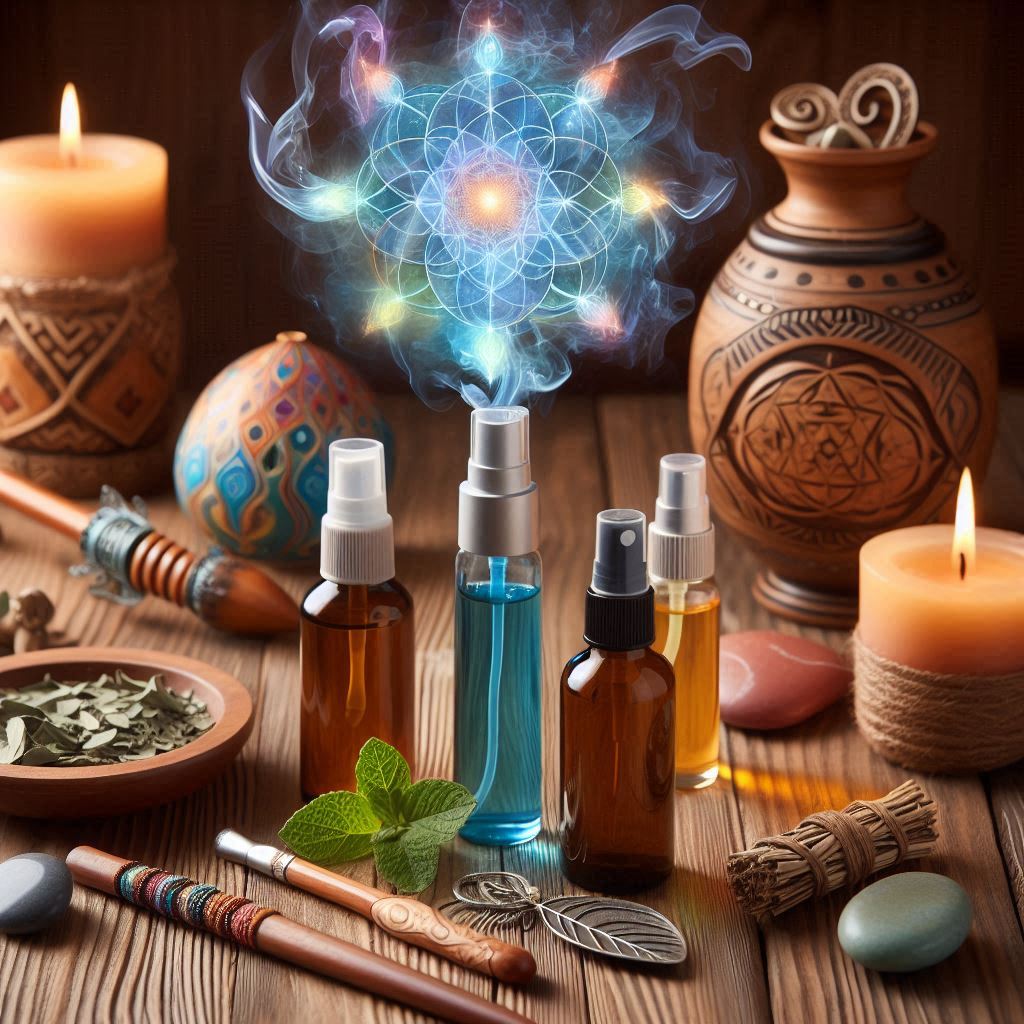
Anointing Oils: History, Uses, Meaning, and Healing Properties – The Ultimate Guide. Click to read the full blog …
Anointing oils have been used for thousands of years across various cultures and religions for spiritual, therapeutic, and ceremonial purposes. This ultimate guide will explore the rich history of anointing oils. Their traditional and modern use, meanings, and healing properties.
What Are Anointing Oils?
Anointing oils are sacred oils infused with natural plant extracts, herbs, and essential oils. They are used in spiritual and healing practices to sanctify, protect, and heal. Anointing oils have significant symbolic meaning and are often linked to divine blessings, purification, and consecration.
Anointing oils are applied to the skin, objects, or spaces to invite spiritual protection, healing, and peace.
The History of Anointing Oil
The use of anointing oils dates back to ancient civilizations, including Egypt, Israel, Greece, and Rome. In many cultures, these oils were seen as a way to connect with the divine and were used in rituals to honor gods, kings, and priests.
1. Biblical Origin
Anointing oils are most famously referenced in the Bible. The Hebrew Scriptures mention the use of sacred oils for consecrating priests, prophets, and kings. In Exodus 30:22-25, God commands Moses to create a holy anointing oil made from myrrh, cinnamon, and other spices for the anointing of the Tabernacle and the priests. Jesus Christ was also anointed, which is reflected in the title “Christ,” meaning “the Anointed One.”
2. Ancient Egypt
In ancient Egypt, oils were used in religious ceremonies and for embalming the dead. They believed that anointing oils helped prepare the soul for the afterlife and provided protection. Egyptians used oils like frankincense, myrrh, and spikenard, which were considered sacred and had powerful healing properties.
3. Greco-Roman Era
The Greeks and Romans used anointing oils in baths, massages, and spiritual ceremonies. The oils were believed to bring health, beauty, and protection, as well as to invoke the gods’ blessings during religious rituals. Aromatic oils like lavender, rose, and chamomile were prized for their healing properties and therapeutic aromas.
The Meaning of Anointing Oils
Anointing oils hold deep spiritual significance in various traditions. They symbolize divine favor, healing, and protection. The act of anointing is often used to consecrate or set apart someone or something for a special purpose, representing the presence of divine power.
Spiritual Symbolism of Anointing:
- Healing: Anointing oils are often applied during prayers for physical or emotional healing.
- Protection: They are used to shield against negative energy or evil forces.
- Purification: Anointing with oil is symbolic of cleansing the body, mind, and spirit.
- Blessings: Oils are used to bless individuals, spaces, and objects in religious ceremonies.
The Healing Properties of Anointing Oils
Anointing oils are not only spiritually significant but also have profound healing properties. The natural essential oils used in their preparation are rich in medicinal benefits, offering therapeutic effects on the body, mind, and soul.
1. Physical Healing
Many anointing oils contain essential oils known for their anti-inflammatory, antimicrobial, and pain-relieving properties. When applied to the body, these oils can soothe pain, reduce inflammation, and promote overall physical healing.
- Frankincense: Known for its anti-inflammatory and immune-boosting properties, frankincense is used to treat wounds, skin conditions, and respiratory issues.
- Myrrh: Myrrh has antimicrobial and antioxidant properties and is often used to heal skin conditions and reduce infections.
- Lavender: Lavender oil is famous for its calming effect and its ability to soothe burns, cuts, and skin irritations.
2. Emotional and Mental Healing
The aromatic properties of anointing oils are also beneficial for mental and emotional well-being. The scents from essential oils can influence mood, reduce anxiety, and promote mental clarity.
- Rose: Known to calm emotions and ease depression, rose oil is often used for emotional healing.
- Chamomile: Chamomile is known for its calming and stress-relieving properties, helping with anxiety and emotional balance.
- Sandalwood: This oil is used for meditation and mental clarity, helping to quiet the mind and reduce stress.
3. Spiritual Healing
Anointing oils are powerful tools for spiritual healing. They are often used to anoint the body during prayer, meditation, or spiritual rituals to cleanse negative energy and invite divine protection.
- Spikenard: Often associated with spiritual awakening, spikenard is used in prayer and meditation to connect with higher consciousness.
- Cedarwood: This oil is known to ground and purify energy, making it a popular choice in rituals for spiritual cleansing and protection.
- Jasmine: Often used to elevate spiritual vibrations and promote love and compassion.
Uses of Holy Oils
Ritual oils have a wide variety of uses, both in spiritual practices and in daily life. Here are some of the most common ways to use anointing oils:
1. Anointing for Healing
Church oils are often applied to specific areas of the body to promote healing. During prayers or healing sessions, the oil is gently rubbed on the skin, calling on divine intervention for physical or emotional restoration.
2. Blessing and Protection
You can use blessing oils to bless yourself, loved ones, or your home. Applying the oil to your forehead, hands, or feet while saying a prayer for protection is a common practice. Anointing doorways and windows with oil can create a spiritual shield around your home.
3. Meditation and Prayer
These oils are often used to enhance meditation or prayer practices. The oils are applied to the body, diffused in the air, or placed on sacred objects to create a peaceful and spiritually uplifting atmosphere.
4. Consecration of Objects
Anointing oils are used to consecrate sacred objects like religious artifacts, candles, or altars. The oil is applied to the object to purify and dedicate it for spiritual use, symbolizing its divine purpose.
5. Rituals and Ceremonies
In religious and spiritual rituals, these oils are used for baptisms, confirmations, and other sacred ceremonies. The oils symbolize divine blessings and protection, marking the occasion as sacred and holy.
Why purchase anointing oil from Gems For Healing
Purchasing magic oil from Gems For Healing ensures you’re receiving a product that is crafted with care, using high-quality, natural ingredients that promote spiritual, emotional, and physical well-being. Each oil is thoughtfully blended with therapeutic-grade essential oils and carrier oils, creating potent mixtures that are perfect for meditation, prayer, protection, or healing rituals. Whether you’re looking to enhance your spiritual practices or bring balance to your daily life, the anointing oils from Gems For Healing are designed to uplift your soul, purify your energy, and bring peace to your surroundings.
Conclusion
Holy oils are more than just aromatic blends; they are sacred tools that have been used for centuries to promote healing, protection, and spiritual growth. Whether you’re using them for physical healing, emotional well-being, or spiritual development, anointing oils hold a powerful place in both ancient traditions and modern-day practices.
By learning the history, uses, and healing properties of anointing oils, you can incorporate them into your daily spiritual and healing rituals to experience their full benefits. Whether you choose to buy or make your own, these sacred oils are a beautiful way to connect with the divine and nurture your body, mind, and soul.