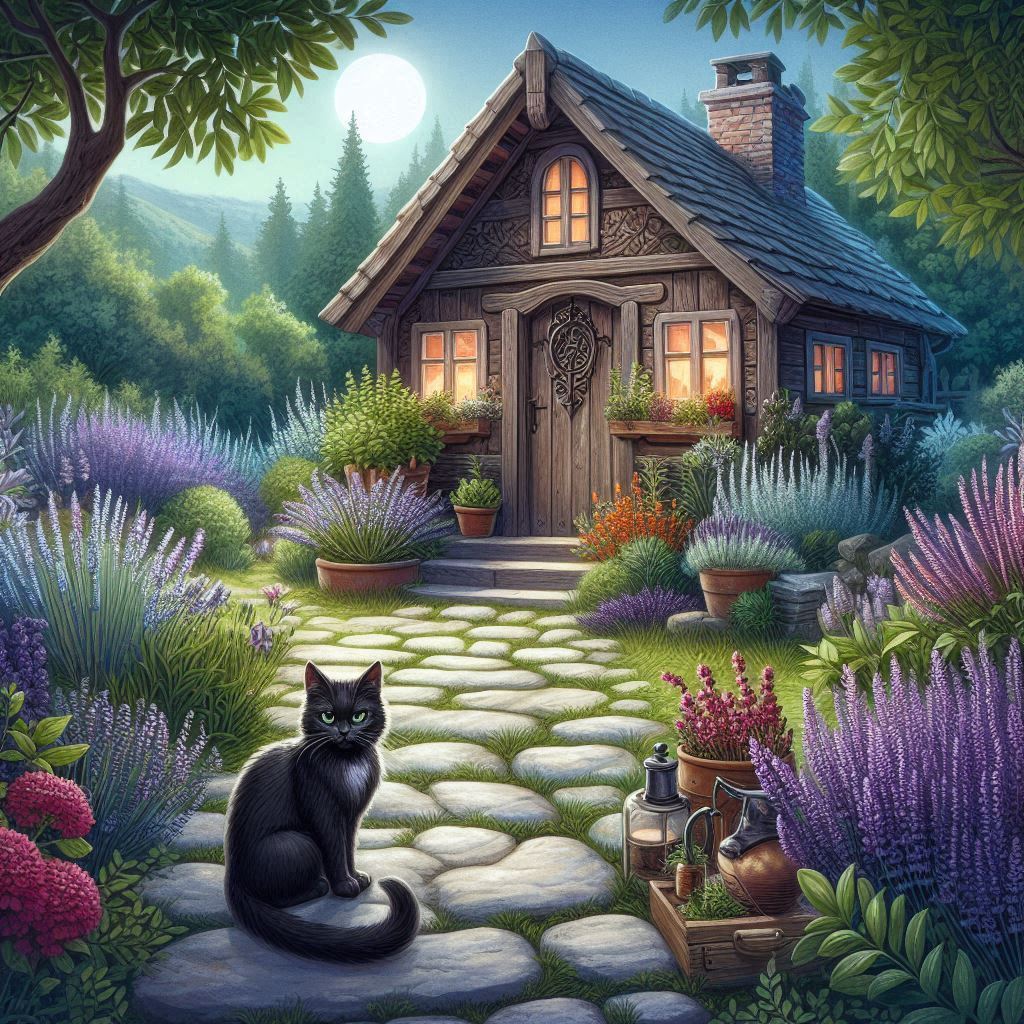
Growing a Witches Garden: A Guide for Magical Practitioners
Whether you’re Wiccan, Traditional, part of a coven, or a solitary practitioner, a garden can be an integral part of your magical practice. Click to keep reading on Growing a witches garden …
Growing your own herbs for spells allows you to form a deep connection with the plants from seed to harvest, amplifying the power of your work. A witch’s garden teaches valuable lessons about patience, the power of nature, and the balance between personal effort and the uncontrollable forces of the world. In many magical traditions, spirits guide and initiate practitioners, and plant spirits can play this role if you open yourself to their presence. A garden becomes a sacred place of learning, as full of wisdom as any grimoire or book of shadows. All it requires is an open mind, patience, and a willingness to learn.
Choosing the Right Location for Your Garden
When planning your witch’s garden, it’s important to consult the spirits of the place and honor the interaction between human and non-human elements. The garden should feel comfortable and harmonious, both physically and spiritually. You can start by spending time in potential garden spots, observing how the area feels throughout the day. Full sun is ideal for many plants, but some witching herbs, like belladonna, prefer the shade, offering magical secrecy by growing in less conspicuous places. Whether your herbs grow by the doorway or hidden near the edge of a forest, the placement can shape the energy of your garden.
Building a Relationship with Your Garden
A garden is a meeting point between human and plant cultures, requiring attention and care. Design it in a way that feels welcoming and encourages you to spend time there. Paths wide enough to comfortably walk through can enhance your connection to the space. Simple techniques like using biodegradable materials (old newspapers or cardboard) as mulch can make your garden more inviting while also keeping down weeds. Regular visits to your garden will help you notice if anything is amiss and allow you to connect deeply with the spirits of the plants. Even a small area can be a sacred space for spellwork and communion with nature, as long as you feel at ease there.
Creating a Space for Reflection
No garden is complete without a place to sit and ponder. While we may prefer natural materials, affordable plastic Adirondack chairs are perfect for garden seating—they are durable, weather-resistant, and easy to move around. An old tree stump can also serve as a natural seat or planter, offering both functionality and a rustic touch. Having a comfortable place to sit encourages you to spend time in your garden, observing the natural world and deepening your magical practice.
Integrating Magic into Your Garden
There are countless ways to weave your magical practice into your garden. Consider planting in a circular formation to represent your ritual circle or creating a hidden outdoor altar. If you work with specific deities or energies, such as Hermes, you can place symbolic objects like rock piles at the corners of your garden. Privacy is essential for many magical workings, and you can create secluded areas using shrubs, trellises, or a simple bean teepee structure. For those deeply connected to nature, spending a night outside with your plants can enhance your dreamwork or astral magic, allowing the plants to speak to you through the dream realm.
Start Small and Know Your Limits on Growing a Witches Garden
Starting small is crucial advice for any gardener, especially witches who may feel drawn to create an expansive magical space. A smaller garden is easier to care for, and therefore more likely to thrive. Even a collection of pots on a balcony can create a beautiful, magical environment. This manageable space will allow you to tend to your plants regularly, strengthen your connection to them, and enjoy the peace and privacy needed for magical practice.
Gardening is hard work, and it’s important to respect your limits. Begin with easy-to-grow herbs such as clary sage, vervain, or yarrow, and gradually expand your selection as you gain confidence. As you build your gardening skills, you can work with more challenging plants like henbane, foxglove, and eventually, the more demanding mandrake or wolfsbane. As with magic, the process of gardening can be just as fulfilling as the outcome.
Defining Your Garden’s Borders
One key lesson from gardening is maintaining clear boundaries. Just as plants need space to grow, a garden requires a defined area to thrive. Simple borders made of rocks, mulch, or low fences can help distinguish your garden from the rest of the yard, focusing energy and attention on the plants. You might also consider smudging the borders of your garden to protect it from pests, whether they have two legs or six. A garden is an assertion of human presence, and creating clear boundaries reinforces that.
The Power of Sacrifice and Offering
Gardening requires giving back to the earth, and every time you water, fertilize, or compost, you are performing an act of magical reciprocity. Tending to your plants and ensuring they are healthy is a form of offering to the land. The care and attention you give your garden is perhaps one of the most profound ways to honor the spirits of the earth. This exchange of energy is an essential part of both gardening and magical practice.
Honoring the Sacredness of Garden Work
For many witches, there is no closer connection to the spiritual world than through working in the garden. Treat your gardening tools with the same respect you would your magical tools—keep them clean and well-maintained, and consider smudging them at the beginning and end of each season. For a green witch, a shovel or trowel is just as much a wand as any other tool in your magical arsenal.
Aligning with the Cycles of Nature
The ancient principle of “As Above, So Below” applies to gardening as well as magic. Aligning your gardening activities with lunar cycles, astrological signs, and the progression of the seasons can enhance both your garden’s growth and your magical practice. These cycles remind us of our connection to the larger universe and the subtle changes that drive both nature and magic.
Every Garden is Magical
Whether your garden is a few pots on a windowsill or sprawling across several acres, it is a sacred space for magical growth. Some gardens focus on specific energies, such as elemental magic or planetary influences, while others evolve with the plants that call to you. By following your instincts and tending to the plants that attract you, your garden will teach you valuable lessons about yourself and your magical practice. Each plant you grow offers its own wisdom, and the garden itself becomes a living grimoire, full of knowledge and magic.
Whatever your garden yields—herbs, flowers, or simply peace—it is a space of renewal and connection, making it a truly blessed place. This concludes Growing a Witches Garden.